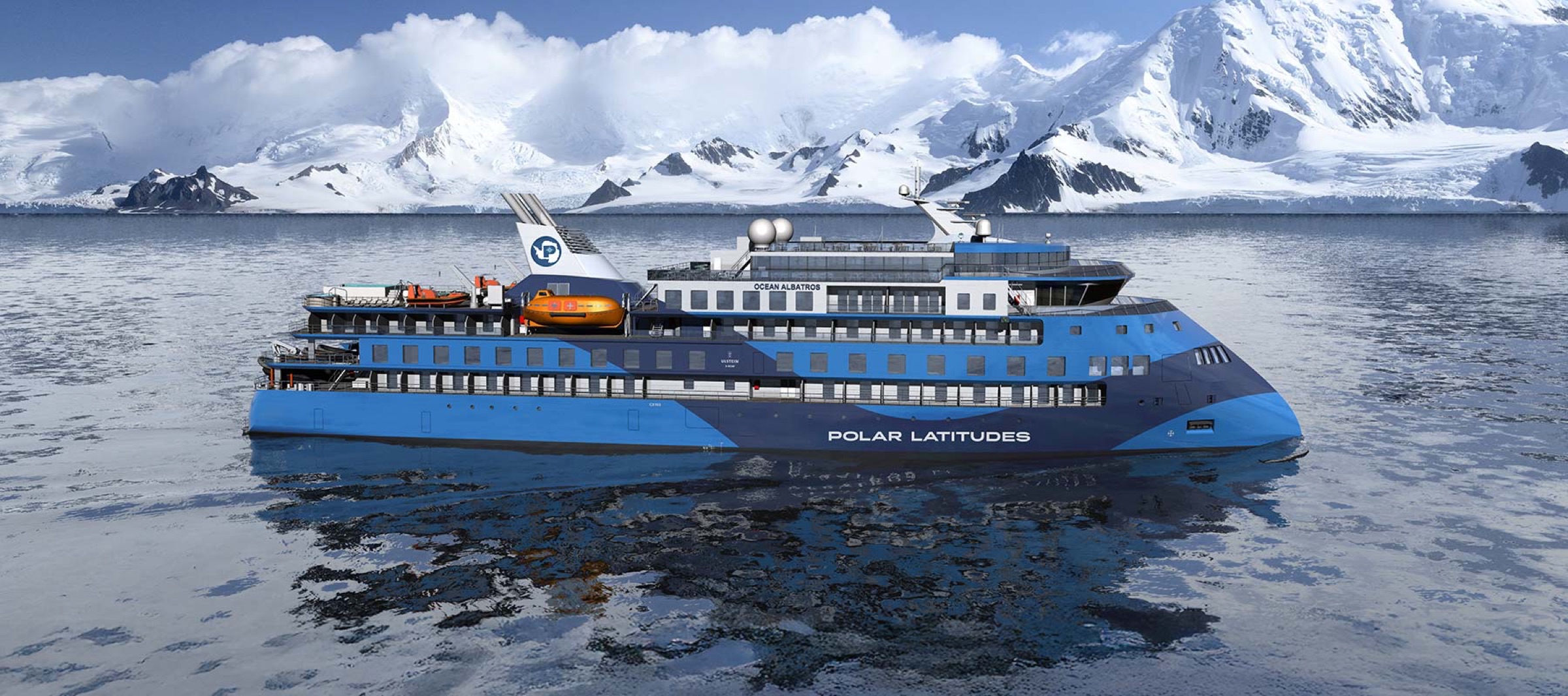
Antarctica expedition ship among ice-covered mountains
Back to Polar Guide

Ship planning / 14 min read

How to Choose an Antarctica Expedition Ship

The right ship is not simply the smallest or most luxurious. Match guest count, landing operations, ice capability, observation space, cabin design, and onboard comfort to the expedition you actually want.

AdventureLuxuryIAATO landing rules

The rule that changes everything

Only 100 visitors may be ashore at one site at once.

IAATO categorizes landing ships carrying 13-200 passengers as Category 1 and 201-500 passengers as Category 2. Both can make landings, but the 100-person shore limit means larger guest counts require more rotation planning.

Ships carrying more than 500 passengers are cruise-only in Antarctica and cannot land guests. For an expedition buyer, passenger capacity is therefore an operational fact, not just a measure of atmosphere.

Ship size explained

What passenger count changes on a real expedition day.

Under 100 guests

Maximum landing efficiency

The whole guest complement may fit within the 100-visitor shore limit, helping a well-run ship move quickly between ship, Zodiac, and landing site.

Best for expedition intensity, intimacy, and travelers comfortable with simpler facilities.

100-200 guests

Adventure-comfort balance

Still within IAATO Category 1. Operators usually organize landing groups or rotations, so Zodiac capacity, mudroom flow, and expedition staffing matter.

Best for broader cabin choice, more public spaces, and modern expedition amenities.

201-500 guests

Large expedition ships

These ships may make landings but face stricter time-and-place restrictions. Only 100 visitors may be ashore at a site at once.

Best for travelers prioritizing extensive onboard facilities who accept more rotation logistics.

More than 500 guests

Cruise-only

Vessels carrying more than 500 passengers are not permitted to make Antarctic landings.

Choose only when scenic cruising from the ship is the goal rather than setting foot ashore.

Adventure vs. luxury

Decide where you want the ship to spend its complexity.

Adventure

Expedition-first ships

Prioritize lower guest counts, quick Zodiac operations, open bridge access, practical cabins, informal shared spaces, and a high proportion of the day devoted to landings and wildlife.

Luxury

Comfort-led expedition ships

Add larger cabins, balconies, refined dining, spas, pools, gyms, elevators, and polished service while retaining an expedition team, Zodiacs, mudrooms, and scheduled landings.

Neither style is automatically better. A luxury ship with efficient boarding can be highly expedition-capable; a classic adventure ship can deliver superb access with simpler accommodation.

Eight-point checklist

Look past the brochure headline.

01

Landing time

Check guest capacity, number of Zodiacs, boarding points, mudroom size, and whether all guests can participate in one operation.

02

Ship motion

Hull design, stabilizers, cabin position, ship size, and sea conditions all affect comfort. No vessel can remove Drake Passage motion entirely.

03

Ice capability

Ice class indicates structural capability, but route access also depends on the captain, ice pilot, weather, sea ice, and itinerary.

04

Observation

Prioritize open decks, forward viewing areas, lounges with broad windows, bridge access, and uncluttered sightlines for wildlife photography.

05

Cabin reality

Compare window type, bed configuration, bathroom, storage, deck position, balcony exposure, and solo supplement rather than category name alone.

06

Expedition team

Guide experience, staffing ratios, naturalist specialties, medical support, and activity capacity can matter more than decorative luxury.

07

Adventure options

Kayaking, camping, snowshoeing, photography, helicopters, and stand-up paddleboarding may be capacity-limited or departure-specific.

08

Total value

Include hotels, charter flights, transfers, drinks, gratuities, clothing, boots, Wi-Fi, activities, and solo pricing in the comparison.

Match by priority

Start with what would disappoint you most.

I want the fastest possible landings

Look first at ships carrying about 100 guests or fewer, then verify Zodiac and boarding capacity.

I want comfort without losing expedition days

Compare purpose-built ships in the 130-200 guest range with strong mudrooms, multiple boarding points, and generous observation space.

I am sensitive to motion

Favor a modern stabilized vessel and a lower, central cabin; still plan medically for rough water after speaking with your doctor.

I am traveling solo

Search for dedicated single cabins and published solo fares before assuming a twin cabin with a supplement is the best value.

I want a balcony

Check whether it is a true walk-out balcony or a Juliet balcony, and balance private views against time spent on open decks.

I care most about wildlife

Guest count, deck access, landing efficiency, route, and expedition staff usually matter more than suite size.

Compare real ships

Use the guide on the current fleet.

View all ship profiles

Ship matching

Compare capacity, cabins, operations, and sailings side by side.

Compare expedition ships